
Baklava Mastery: Finding Authentic Istanbul Bakeries
Explore three legendary Istanbul baklava makers where pastry layers are hand-rolled daily. Discover what to order and the best times to visit for fresh batches.
Istanbul's baklava scene isn't about finding the fanciest café with the most Instagram-worthy presentation. It's about discovering the places where bakers have perfected their craft over decades. The real magic happens in small neighborhood bakeries where you'll find pastry chefs still using traditional techniques their families passed down generations ago.
We've spent months exploring the city's authentic baklava makers. The ones that matter aren't the tourist traps near the Grand Bazaar. They're the neighborhood spots where locals line up before sunrise, where butter is brushed between tissue-thin phyllo sheets by hand, and where the smell of honey and pistachios tells you something genuine is happening in the kitchen.
What You'll Learn
- The three bakeries worth your time in Istanbul
- How to spot freshly made baklava vs. day-old stock
- Which varieties to order at each location
- Timing your visit for the best selection
Karakoy's Hidden Gem: Where Tradition Still Rules
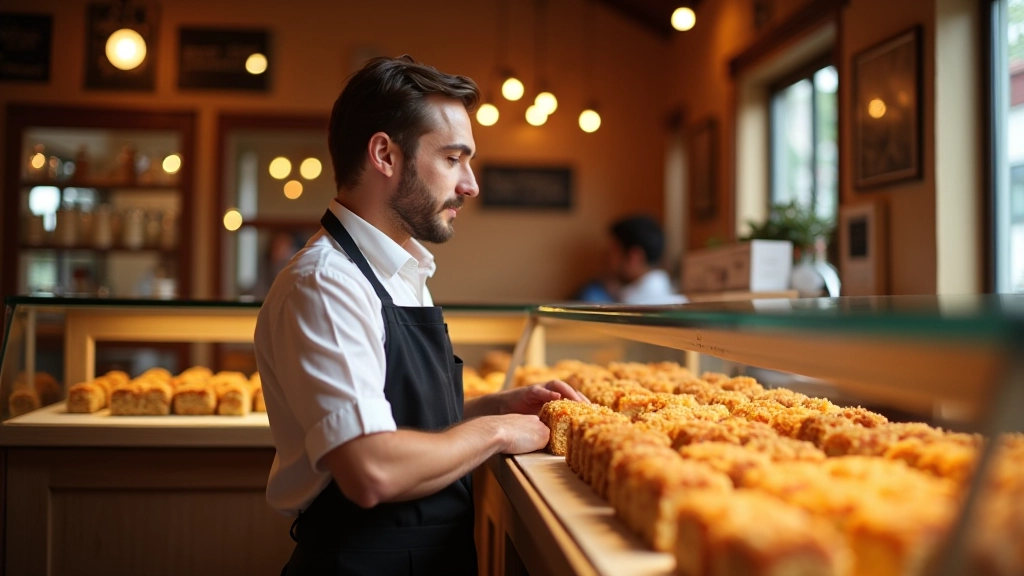
Walk into any bakery in Istanbul and you'll see baklava. But there's one place in Karaköy that's been making it the same way since 1972. The owner, Mehmet Bey, still hand-rolls phyllo sheets every morning starting at 4 AM. He doesn't use machines. He doesn't rush. Each tray takes about two hours to prepare, and he only makes enough for the day.
This isn't a place that caters to tourists. There's no English menu. The display cases are simple wooden frames with glass fronts. What you see is what they made that morning. The pistachio baklava here is different from everywhere else — they use Gaziantep pistachios, the variety that's slightly more bitter and complex. They brush each layer with clarified butter they make themselves in the back kitchen. You'll taste the difference immediately.
Arrive between 8-9 AM. That's when the first batch comes out of the oven. The honey syrup is still warm, so the baklava has this perfect texture — crispy outside but still soft inside. By noon, it's sold out most days.
"The difference between good baklava and great baklava is patience. Anyone can layer phyllo. But understanding when the butter's at the right temperature, how long to brush each layer, when to stop — that takes years."
— Mehmet Bey, Karaköy Baker
The Technique That Separates Good From Exceptional
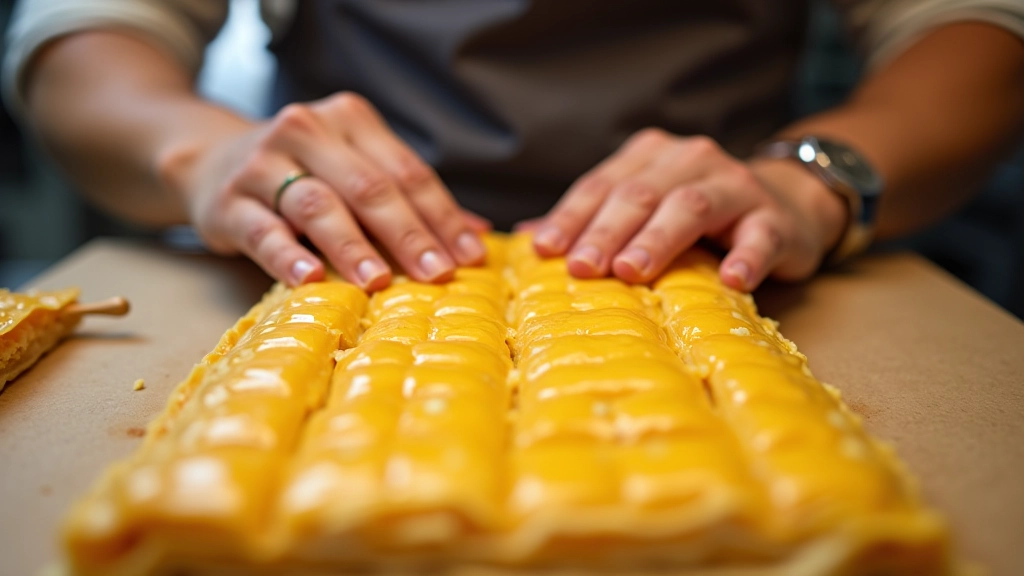
Most people think baklava is just phyllo, butter, nuts, and honey. That's technically true. But the execution is everything. A baker needs to understand the behavior of each ingredient.
Phyllo dough is temperamental. It dries out if exposed to air for more than a few minutes. Humidity affects how it tears and folds. Butter needs to be the right temperature — too cold and it won't brush evenly, too hot and it burns the dough. The nut filling has to be the right consistency. Too fine and it becomes paste. Too coarse and it punctures the phyllo.
The best bakers in Istanbul have refined these details over thousands of repetitions. They know exactly how much pressure to apply when brushing butter. They understand the exact moment the baklava should come out of the oven. They time the honey syrup application perfectly — too early and it won't absorb, too late and the pastry hardens.
Two More Bakeries Worth Your Time
Beyond Karaköy, there's a bakery in Balat that specializes in walnut baklava. They don't use pistachios. They don't advertise. They're open Thursday through Saturday only. The walnut variety is darker, earthier, less sweet than pistachio versions. If you prefer more subtle flavors, this is where you'll find your favorite.
Then there's the Fatih location that's been family-run since the 1950s. They make three varieties: pistachio, walnut, and a mixed version with both nuts. They're more accessible than the other two — they have longer hours and accept cards. The quality's still high, but you'll notice the difference in texture compared to the smaller makers. These folks produce more volume, which means they can't hand-roll every single tray.
What makes each place special isn't just the product. It's the consistency and the refusal to cut corners. They've turned down opportunities to expand. They've rejected offers to supply major chains. They've stayed in their neighborhoods, serving the same customers year after year.
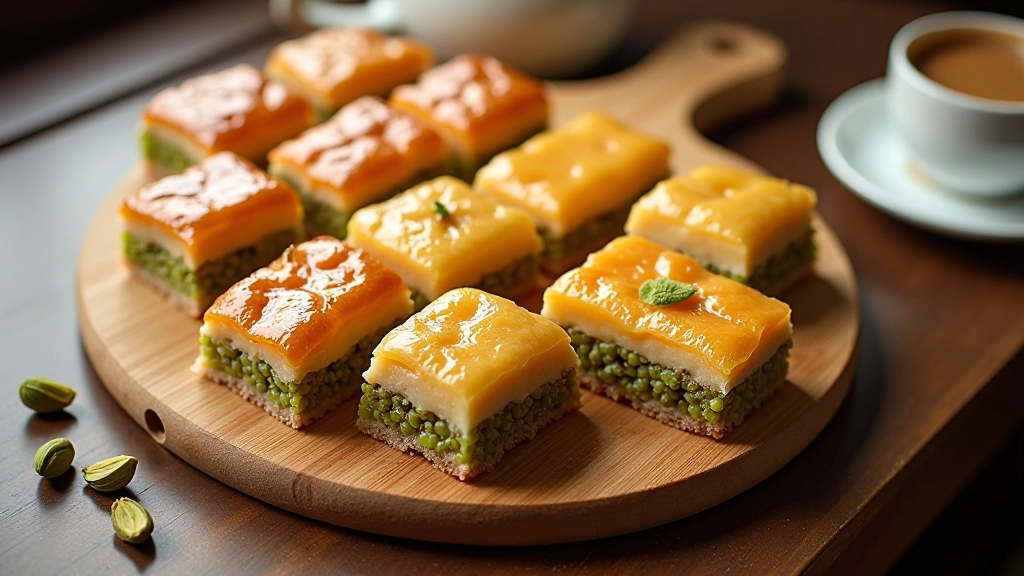
How to Know You're Getting the Real Thing
Look at the Layers
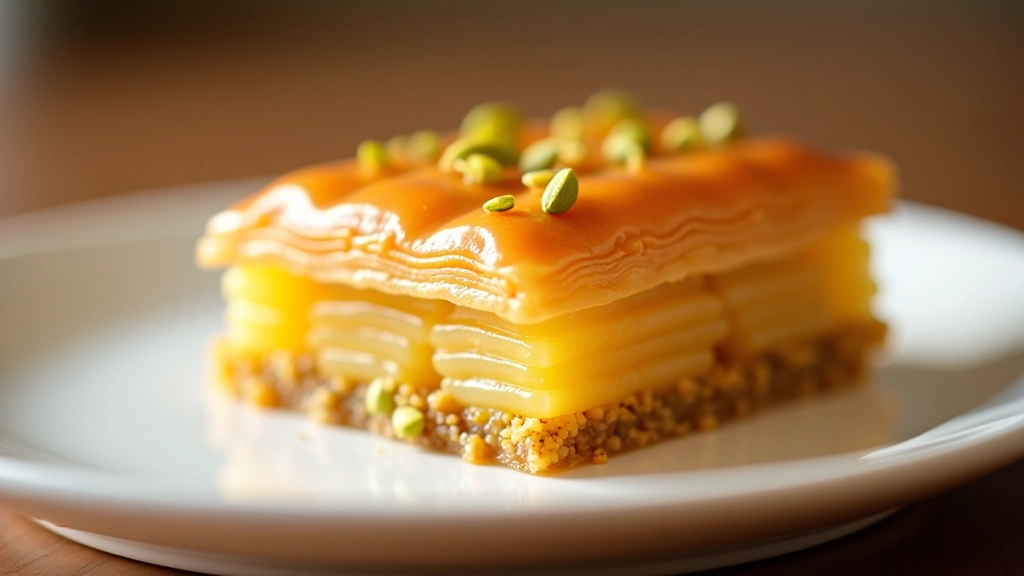
Authentic baklava shows distinct, visible layers when you look at the cross-section. If it looks uniform or compressed, the baker rushed the layering process or didn't use enough butter between sheets.
Check the Temperature
Fresh baklava is still warm or at least room temperature when you buy it. If it's cold, it's been sitting for a while. The texture changes when it cools completely — it becomes harder and loses some of that delicate crispness.
Taste the Honey
The honey syrup should taste like actual honey, not refined sugar. You'll notice the difference immediately. Quality bakers use real honey and sometimes add rose water or lemon juice to complement it.
Know Your Nuts
Pistachio baklava from Gaziantep tastes different from other regions. Walnuts provide earthier flavors. The bakery should be able to tell you where their nuts come from. If they can't, that's a red flag.
Timing Your Visit: When to Go
1
Early Morning is Best
Most traditional bakeries have their first batch ready between 7-9 AM. This is when everything's fresh from the oven, the honey's still warm, and the selection is complete. By afternoon, popular items are gone.
2
Weekdays Over Weekends
The authentic spots we're discussing don't have huge tourist rushes on weekdays. You'll get better service, more attention, and a less chaotic experience. Weekends bring crowds that sometimes stress out smaller operations.
3
Ask About Fresh Batches
Don't be shy. Ask when they made the baklava you're considering. Real bakers are proud of their timing and will happily tell you. If they seem uncertain or evasive, that's worth noting.

Explore More on Turkish Desserts
About This Guide
This article is provided for informational and educational purposes. The bakeries and techniques described reflect current practices as of April 2026 and may change over time. Operating hours, ownership, and product availability can vary. We recommend contacting establishments directly or visiting their locations to confirm details before making the trip. Food preferences and experiences are subjective — what works for one person may not suit another. This guide is meant to inspire exploration, not dictate choices.
The Value of Authenticity
Finding authentic baklava in Istanbul isn't difficult if you know where to look. The real challenge is understanding what makes one baker's work exceptional compared to another's. It's not about fancy presentation or high prices. It's about respect for ingredients, commitment to technique, and the willingness to do things the harder way because that's the right way.
The three bakeries we've explored aren't trying to be trendy. They're not chasing Instagram engagement. They're simply showing up every morning, using quality ingredients, and applying decades of accumulated knowledge to every tray they make. That consistency, that refusal to compromise — that's what separates authentic from everything else.
Ready to explore more about Turkish café culture and dessert traditions?
Browse More Turkish Dessert Guides