narlikent Logo narlikent Contact Us
Menu
Contact Us
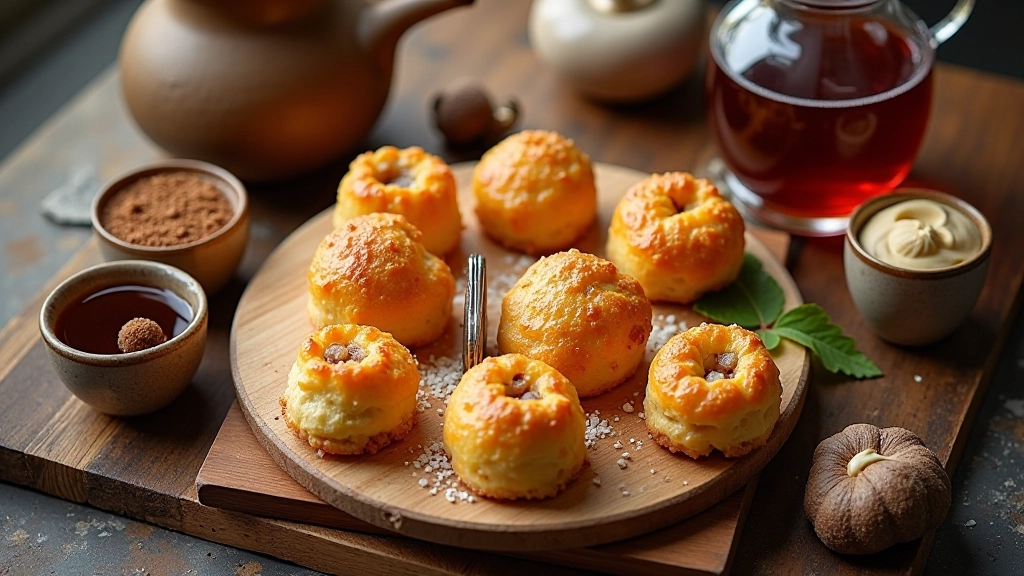
Aerial view of assorted Turkish sweets on a wooden serving board with small labels and tea service

Regional Specialties: Gaziantep, Hatay & Trabzon Sweets in Istanbul

Discover where to find authentic regional desserts from Turkey's sweetest cities without leaving Istanbul. Maps, café recommendations, and what makes each region's specialties distinct.

15 min read All Levels March 2026

Three Cities, Three Sweet Traditions

Istanbul's dessert scene tells a story that spans the entire country. You don't need to travel hundreds of kilometers to taste authentic sweets from Turkey's most celebrated pastry regions — they're here, in dedicated cafés where recipes have been passed down through generations. Each region brings its own signature to the table, and understanding those differences transforms your café visits from casual stops into genuine culinary explorations.

What makes regional specialties special isn't just the recipes themselves — it's the philosophy behind them. Gaziantep sweets celebrate pistachio in ways that feel almost architectural. Hatay traditions embrace syrups and careful layering. Trabzon brings its own Black Sea influence with distinct flavor profiles and techniques. Finding these in Istanbul means discovering pockets of authenticity scattered throughout the city, each with its own story.

What You'll Learn

  • The distinctive characteristics of each region's sweet-making traditions
  • Where to find authentic regional specialties in Istanbul's neighborhoods
  • Signature desserts you shouldn't miss from each tradition
  • How seasonal variations affect what's available

Gaziantep: The Pistachio Kingdom

Gaziantep isn't just famous for pistachios — the entire dessert culture revolves around them. You'll find pistachios threaded through baklava layers, crushed into buttery base, ground into paste, and scattered across finished surfaces. It's not a single ingredient; it's the foundation of an entire aesthetic. The green color isn't just visual — it signals freshness and quality that locals take seriously.

Pistachio baklava here is different from other regional versions. The phyllo is typically thinner, the pistachio layers more generous, and the syrup application more restrained. This restraint actually lets you taste the nuts themselves — their buttery richness comes through without being masked by sugar. Most places make their own pistachio paste, and you can taste the difference immediately.

Must-Try Specialties:

Antep baklava (the classic), pistachio-filled şöbiyet, and künefe made with Gaziantep's distinctly buttery approach. You'll also find pistachio halva — smoother and less grainy than versions from other regions.

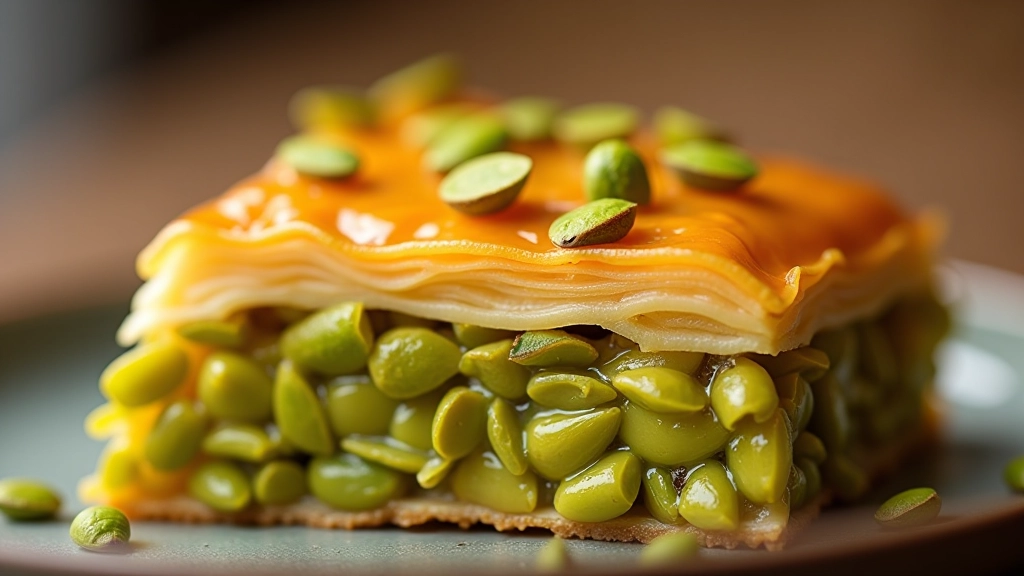
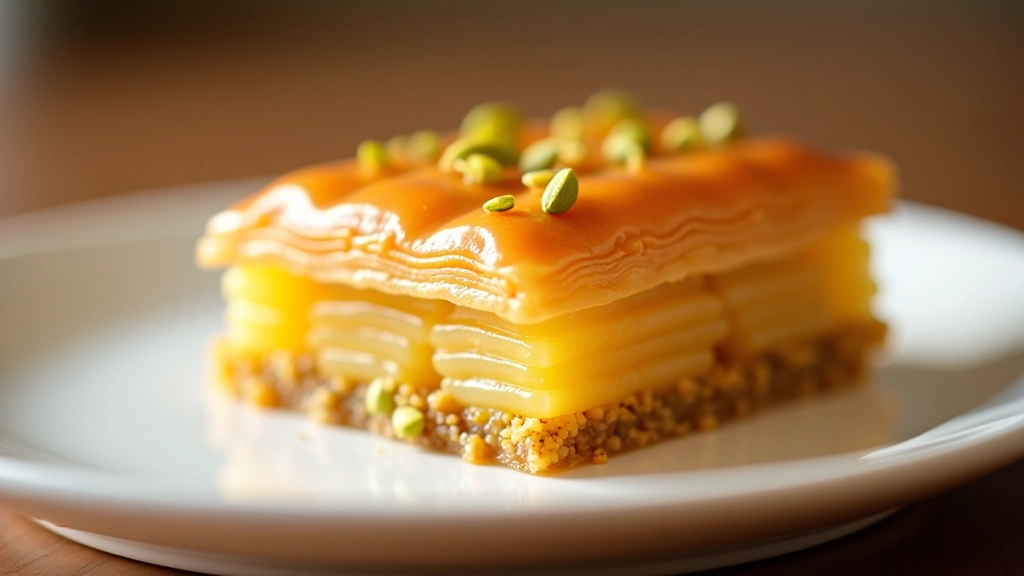
Close-up of golden baklava pieces layered with crushed green pistachios, displaying the signature green and golden color contrast of Gaziantep-style pastries
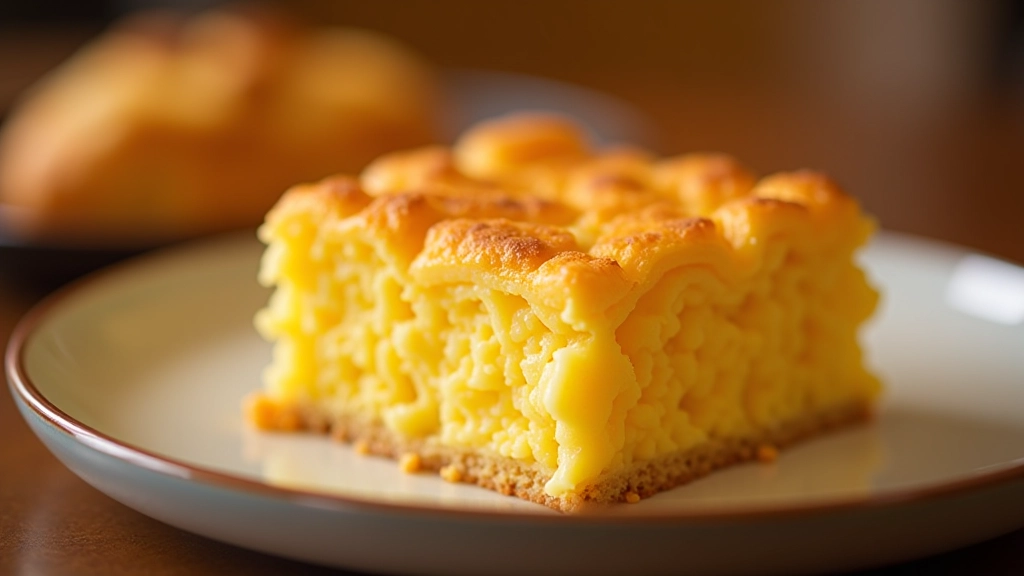
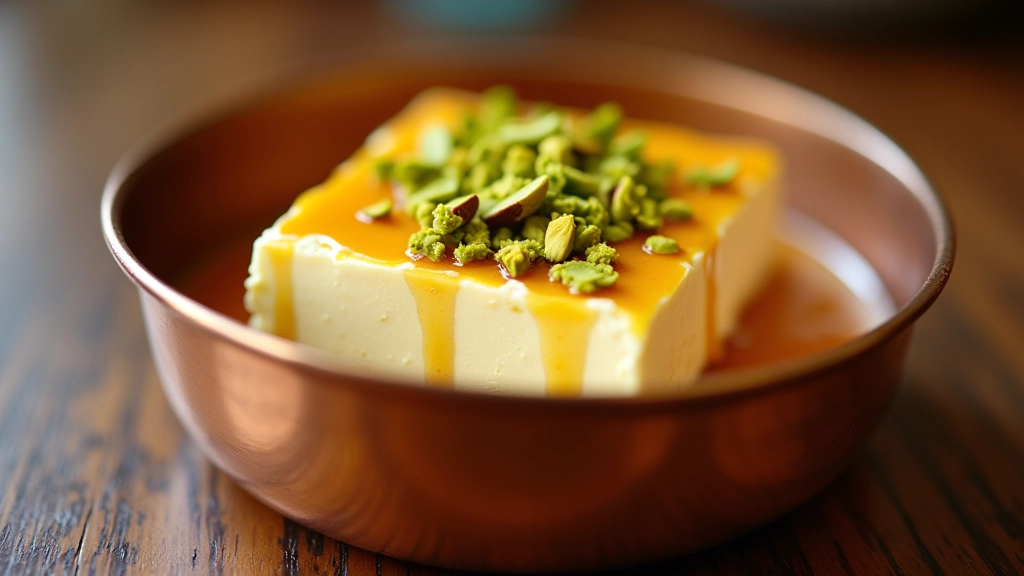
Golden künefe pastry with shredded phyllo exterior and white cheese filling, showing the characteristic caramelized appearance of Hatay-style desserts

Hatay: Syrup and Careful Craftsmanship

Hatay sweets tell a different story — one centered on balance between sweetness and technique. These desserts tend to be heavier on syrup, but it's applied with precision rather than abundance. The philosophy is about harmony. The pastry structure needs to absorb just enough syrup to stay moist without becoming soggy. It's a technical craft that separates good Hatay desserts from exceptional ones.

Künefe, perhaps the most famous Hatay export, shows this approach clearly. The shredded phyllo is layered with white cheese, baked until golden, then doused in hot syrup at the moment of serving. That final syrup application is critical — timing matters. The cheese inside stays creamy while the exterior gets a crispy-chewy texture. You'll taste the cheese's subtle saltiness playing against the syrup's floral notes.

"Hatay sweets aren't about overwhelming your palate — they're about creating layers of flavor that unfold as you eat."

Trabzon: Black Sea Influences

Trabzon's dessert traditions reflect its position on the Black Sea coast — ingredients and techniques influenced by regional agriculture and historical trade routes. You'll find hazelnuts playing a more prominent role here than in other regions. The climate and soil of the area produce hazelnuts with a distinct flavor profile, slightly more bitter and complex than hazelnuts grown elsewhere in Turkey.

Trabzon sweets also tend toward less syrup overall, letting other flavors shine. There's an emphasis on the quality of the phyllo itself — it's often thinner and more delicate. Raisin-based fillings appear more frequently in Trabzon desserts than you'd find in Gaziantep or Hatay versions. This creates a slightly different flavor profile: more complex, with subtle fruit notes complementing the nuttiness.

Characteristic Flavors:

Hazelnut-forward pastries, raisin-filled baklava, and a lighter overall syrup application. Trabzon also brings tea-pairing traditions — their sweets are specifically created to complement strong Turkish black tea.

Hazelnut-topped pastry with raisins visible in the filling, showing the darker, more subtle color palette characteristic of Trabzon regional desserts

A Note on Regional Variations

Regional traditions are living practices — they evolve and vary even within their home regions. A Gaziantep confectioner in Istanbul might adapt recipes slightly based on available ingredients or personal preferences. The descriptions here represent the general characteristics and philosophies of each tradition, but individual cafés will have their own interpretations. The best way to understand these differences is through tasting and conversation with the people who make these sweets.

Where to Find Them in Istanbul

Istanbul's diverse neighborhoods host cafés representing each regional tradition. Gaziantep shops tend to cluster in areas with established Syrian and Southeastern Anatolian communities. Hatay specialties appear throughout the city but concentrate in certain districts. Trabzon traditions are less common but steadily growing. Here's what to look for when exploring.

Gaziantep Specialists

Look for shops emphasizing pistachio quality and displaying whole nuts. Many have names referencing Antep (the former name of Gaziantep). They're often family operations with recipes spanning decades. Prices tend to be higher because pistachio quality matters — these places won't compromise on nut selection.

Hatay Traditions

Hatay cafés often emphasize their syrup recipes and sourcing. You'll see künefe made fresh throughout the day. Many locations offer hot syrup at the table, allowing you to customize how much you want. Look for shops with significant seating — Hatay desserts are meant to be experienced leisurely.

Trabzon Offerings

These are less obvious to find but worth seeking out. They're often in smaller neighborhood shops rather than major commercial areas. Ask specifically for hazelnut-based pastries or raisin-filled baklava. Tea service is usually excellent — that's a good sign you've found an authentic Trabzon café.

How to Taste Them Properly

Regional sweets aren't just food — they're vehicles for understanding cultural and geographical differences. Tasting them properly means slowing down and paying attention to specific elements. Start with the texture: is the phyllo crispy or chewy? How does the filling feel? Does it crumble or hold together? Then move to flavor. Can you identify individual ingredients or do they blend together? How does the sweetness build as you eat?

Temperature matters significantly. Hatay künefe must be warm to appreciate the cheese's texture. Gaziantep baklava can be enjoyed at room temperature because the pistachio flavor stays pronounced. Trabzon pastries benefit from cooling slightly — you'll taste the hazelnut and raisin notes more clearly when they're not competing with heat. Always ask about how each dessert is best enjoyed. The people making them know the answer.

Pro Tips:

  • Visit early in the day when everything is fresh from that morning's preparation
  • Don't order multiple items at once — focus on one regional specialty per visit
  • Ask about syrup ingredients — each region uses different flavorings
  • Try sweets from the same café over multiple visits to understand their consistency
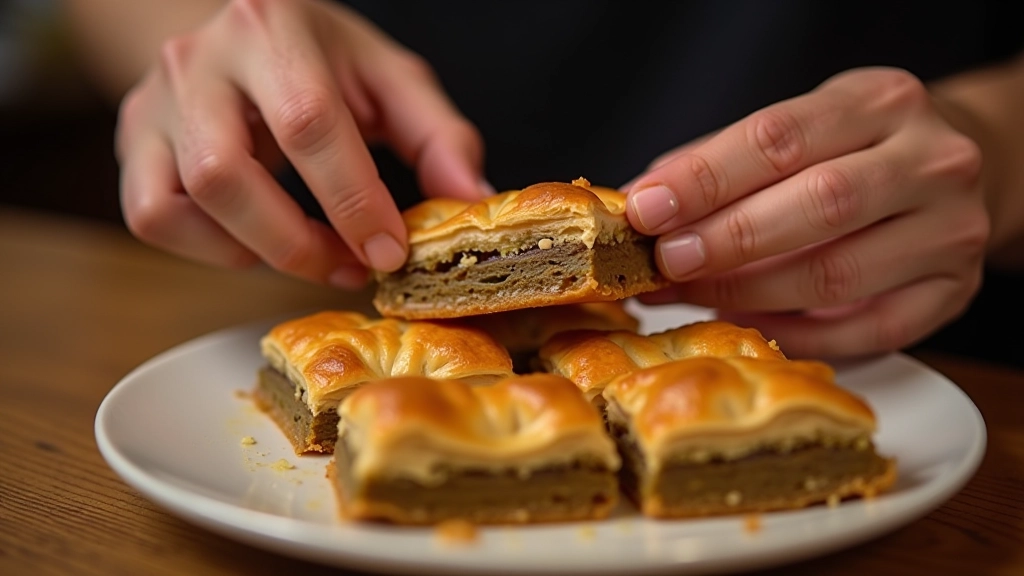
Hands breaking off a piece of golden baklava over a decorative white plate, showing the crispy phyllo layers and pistachio filling in detail

Seasonal Availability and Variations

What's available at any given café shifts with seasons. Pistachio harvest in Gaziantep happens in late summer and early fall — that's when fresh pistachio sweets appear. Prices drop and quality peaks during harvest season. Winter brings different dried fruit variations and heavier syrup applications because they extend shelf life. Understanding these patterns helps you time your café visits for maximum enjoyment.

Spring & Early Summer

Fresh ingredients become available. Lighter syrups and brighter flavors. This is when you'll find limited-edition seasonal offerings. Rose water and orange blossom appear more frequently in formulations.

Late Summer & Fall

Peak pistachio season. Gaziantep sweets reach their absolute best during this period. Fresh harvest nuts create noticeably better flavor. Prices reflect the quality — expect to pay more but get superior results.

Winter & Early Spring

Dried fruit and preserved ingredients dominate. Raisins, dried apricots, and walnuts feature more prominently. Sweets last longer, so quality can vary more depending on storage. Holiday specialties appear during this season.

Start Your Regional Dessert Journey

Understanding regional specialties transforms dessert from a simple sweet treat into a window onto Turkey's diverse food culture. Gaziantep's pistachio philosophy, Hatay's syrup mastery, and Trabzon's hazelnut traditions each represent different approaches to the craft of sweet-making. You don't need to travel to experience these traditions — they're woven throughout Istanbul's café landscape, waiting to be discovered.

Your next café visit doesn't have to be random. Pick a region. Find a specialist. Ask questions. Taste slowly. The people making these sweets have stories — about where ingredients come from, why they use specific techniques, how recipes have evolved. These conversations, paired with the sweets themselves, are what create memorable café experiences. That's the real specialty of regional desserts.

Explore More About Turkish Desserts

Ready to dive deeper into Istanbul's dessert scene? Check out our other guides for authentic bakeries, modern patisseries, and dessert-beverage pairing recommendations.

Ayşe Kara, Senior Food & Beverage Correspondent

Ayşe Kara

Senior Food & Beverage Correspondent

Food writer and pastry expert with 14 years of experience documenting Turkish café culture and regional sweet traditions across Gaziantep, Hatay, and Trabzon. Ayşe's work focuses on preserving authentic recipes while exploring how traditional techniques adapt to modern café environments across Istanbul.