Baklava Mastery: Finding Authentic Istanbul Bakeries
Explores three legendary Istanbul baklava makers where pastry layers are hand-rolled and nuts are sourced directly from Gaziantep.
A practical guide to matching specific pastries with beverages — which sweets pair best with strong Turkish tea versus espresso-based drinks for optimal flavor balance.
There's something magical about the ritual of afternoon tea and pastries in Istanbul. You're not just eating a dessert — you're experiencing a moment that's been perfected over centuries. But here's the thing: not every sweet pairs well with every drink. The wrong combination can actually work against you, making a light pastry taste heavy or turning a bold flavor combination into a confusing mess.
We've spent time in dozens of cafés across Gaziantep, Hatay, and Istanbul, watching how locals approach this. What they know — and what many visitors miss — is that pairing is about balance. Turkish tea's warm tannins need different companions than espresso's sharp intensity. Get this right, and you'll understand why these combinations have worked for generations.
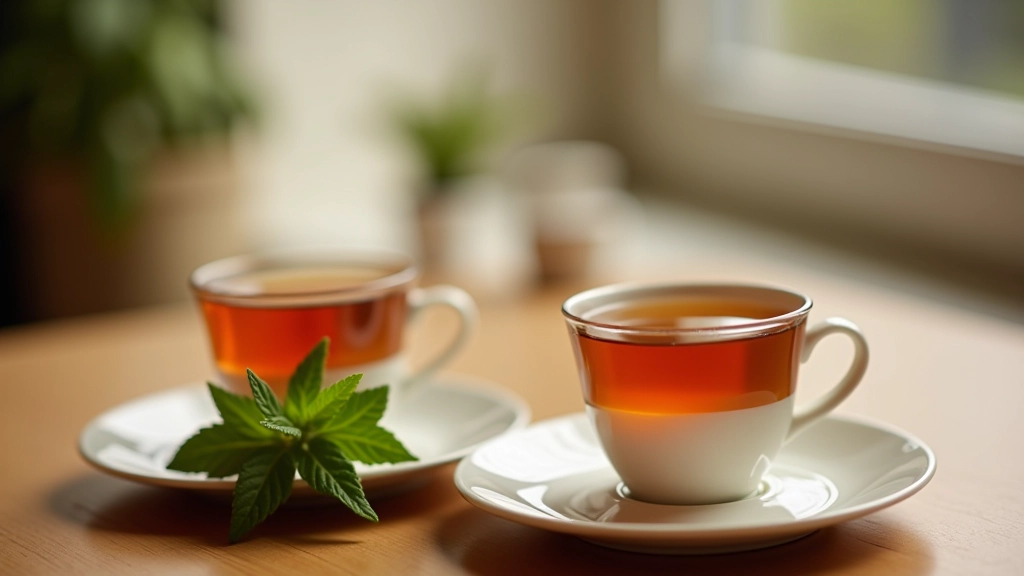
Turkish tea — that amber liquid in tulip-shaped glasses — has a particular character. It's not delicate like green tea, but it's not aggressive either. The flavor is warm with subtle tannins that create a slight drying sensation on your palate.
This means you want pastries that won't fight back. Heavy chocolate cakes? They'll make the tea taste thin. Ultra-sweet syrups? They'll make everything cloying. What works is moderate sweetness with interesting texture — something that complements rather than competes.
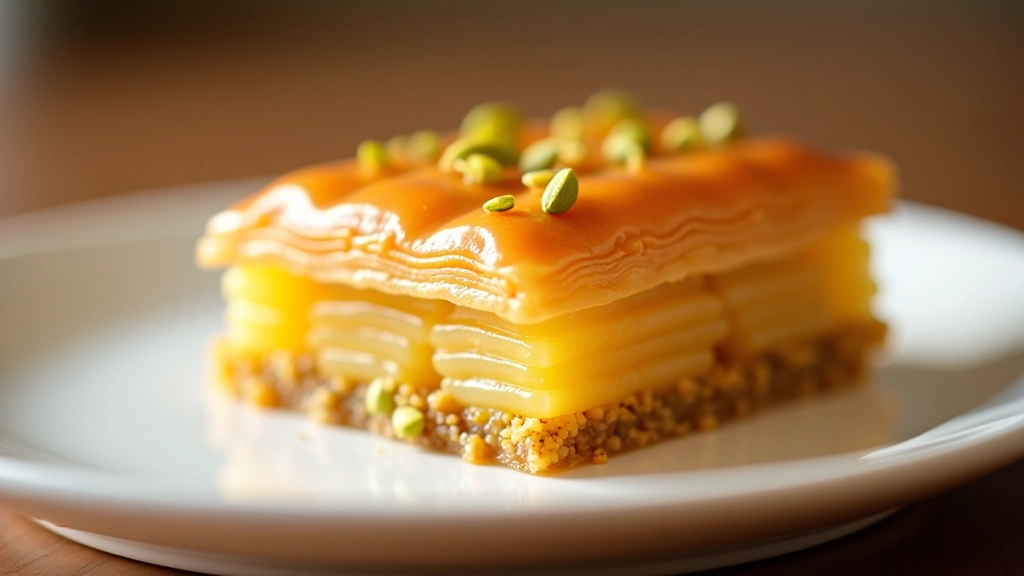
The layers of phyllo create a textural contrast that tea actually craves. The pistachio filling's earthiness plays beautifully against the tea's tannins. Most Gaziantep baklava uses moderate honey — not drowning in syrup — which is precisely right.
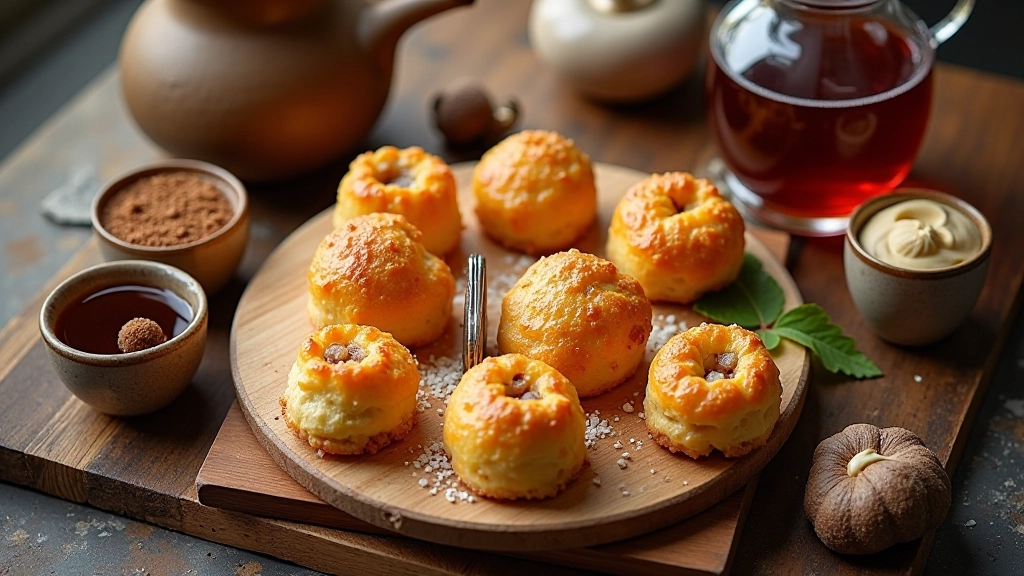
This shredded pastry soaked in syrup seems like it'd be too much, but it actually works. The warm cheese inside creates umami that shifts how your palate perceives the tea's bitterness. Have it fresh — the contrast between warm pastry and hot tea is part of the magic.
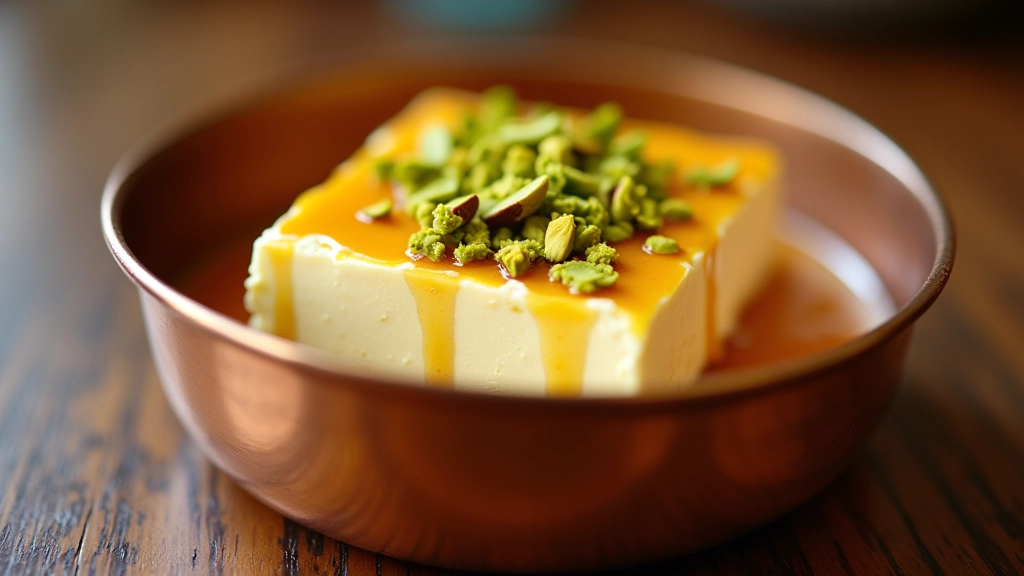
The nuttiness of halva actually reduces tea's astringency. It's almost like the two things are having a conversation. A slice of proper halva — dense, not crumbly — with Turkish tea is a pairing you'll find in homes across Istanbul.
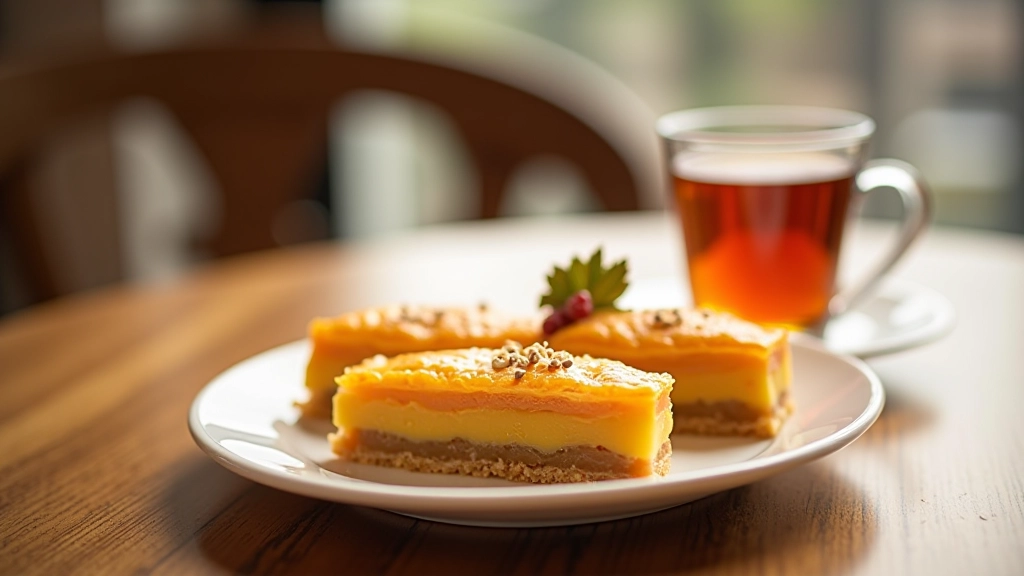

Turkish espresso — served in small cups with a thick layer of crema — is intense. It's got body, bitterness, and a sharp finish. Your dessert needs to stand up to this, or it'll disappear completely.
This is where darker, more assertive sweets shine. You're looking for things with real flavor presence — not delicate pastries. The intensity of espresso actually needs something that can match its personality. Don't be shy here.
The floral notes in proper Turkish delight — often rose or pistachio flavored — actually brighten espresso's heaviness. The gelatinous texture gives you something to bite into between sips. This is a classic pairing you'll see in cafés throughout Hatay.
Unlike with tea, darker chocolate actually works with espresso. The bitterness of good chocolate and good espresso creates a synergy — together they're less bitter than apart. Look for pastries with 60-70% chocolate, not overly sweet.
The richness of pistachio filling stands up to espresso without getting lost. It's bold enough to have its own presence but still complements rather than fights. You'll find these in modern Istanbul patisseries using traditional Gaziantep pistachios.
Both tea and espresso contain tannins that create dryness. When you pair them with fat-based pastries (like baklava with nuts), the fat coats your mouth and softens that sensation. That's why layered, rich pastries work so well.
Moderate sweetness (not extreme) actually highlights the subtle flavors in both tea and espresso rather than overwhelming them. This is why traditional recipes from Gaziantep and Trabzon use honey and sugar carefully — not excessively.
When a pastry contains flavors that echo in the beverage — like pistachios in both the pastry and the tea's subtle earthiness — your palate registers them as harmonious. This creates the sense of a "perfect" pairing.
Hot liquid + varied textures in pastries (crispy phyllo, creamy filling, chewy fruit) keeps your palate engaged. Monotonous texture gets boring fast. Layered pastries actually enhance the drinking experience.
The best part? You don't need to memorize all this. Just notice when something tastes right — that's your palate recognizing these principles at work. Once you understand the basics, you'll naturally gravitate toward combinations that work.
After visiting over 40 cafés across Istanbul, Gaziantep, and Hatay, we've picked up some real-world wisdom that works better than any rule book.
Order fresh pastries in the afternoon. Most cafés in Istanbul prepare their sweets in the morning. By 3-4 PM, everything's at peak flavor. Don't get yesterday's baklava — it matters more than you'd think.
Eat the pastry first, then sip the beverage. Don't try to eat and drink simultaneously. Take a bite, let the flavors settle, then take a sip. You'll taste the interaction much more clearly.
Ask the staff what's paired traditionally. Locals know. In Hatay, they'll tell you which pastry works with their specific espresso blend. In Gaziantep, they know which baklava goes with afternoon tea. Trust that knowledge.
Temperature matters. Warm pastries taste completely different from room-temperature ones. Many modern Istanbul patisseries heat pastries to order — that warmth actually changes how flavors interact with hot beverages.
This guide presents traditional pairings and established flavor combinations based on documented practices in Turkish cafés. However, taste is fundamentally personal. The combinations we've described work for most palates, but your preferences might differ. What matters isn't following rules — it's discovering what you actually enjoy. These pairings are starting points for exploration, not absolute requirements. If you prefer künefe with espresso instead of tea, that's perfectly valid. The joy of Turkish pastry culture is in the experience and the ritual, not in strict adherence to tradition.
There's a reason these combinations have survived for generations across Gaziantep, Hatay, Trabzon, and Istanbul. They work. But they're not mysterious — they're based on simple principles about how flavors interact.
The best approach? Start with the traditional combinations we've outlined. Try baklava with Turkish tea. Experience how künefe's warmth plays against hot espresso. Taste how sesame halva softens tea's tannins. Once you understand why these work, you'll have the foundation to explore further and develop your own preferences.
Next time you're in a café in Istanbul, take your time. Order something you haven't tried before. Pay attention to how the flavors interact. You're not just eating a pastry — you're participating in a culinary tradition that's been refined over centuries. That's worth savoring.