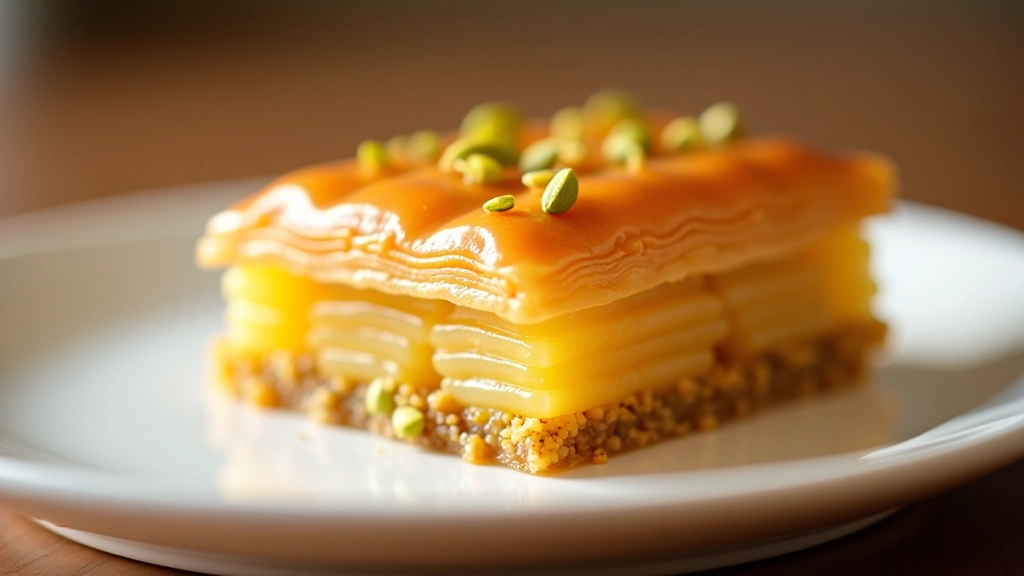
Baklava Mastery: Finding Authentic Istanbul Bakeries
Explores three legendary Istanbul baklava makers where pastry layers are hand-rolled and techniques remain unchanged for decades.
Read Article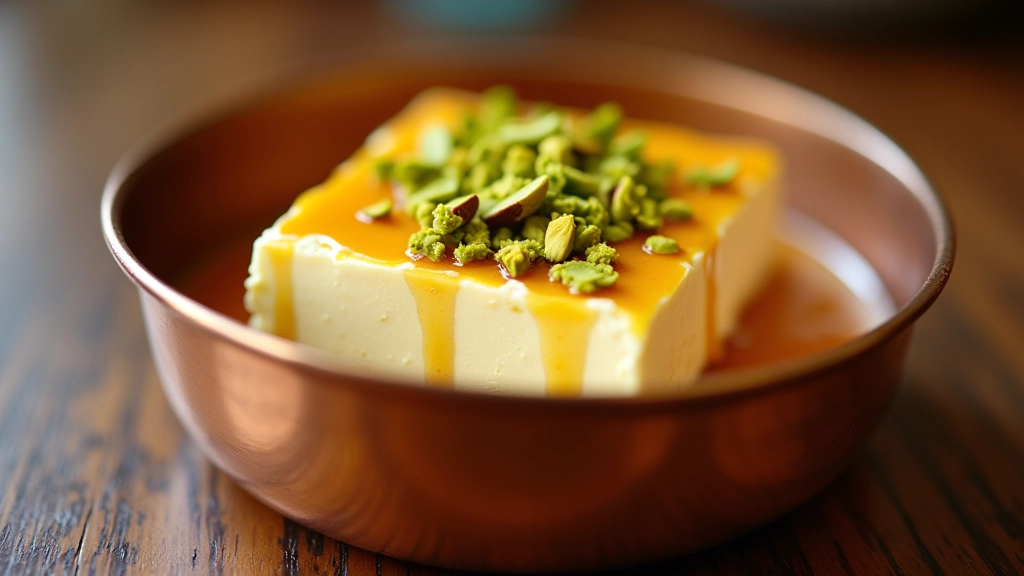
How Istanbul's contemporary pastry shops are reviving Gaziantep and Hatay classics with plated presentations and experimental flavor pairings while respecting traditional techniques.
Istanbul's dessert scene is changing. Walk into a modern patisserie today and you won't just see trays of baklava and künefe — you'll see them reimagined. There's careful plating. Unexpected flavor combinations. Techniques borrowed from French pastry kitchens mixed with recipes passed down for generations. It's not abandoning tradition. It's expanding it.
These aren't replacements for the old masters in Gaziantep or the legendary shops of Hatay. They're conversations between old and new. A chef trained in classical French techniques working alongside a grandmother who still makes künefe by hand. That's where the magic happens.
Traditional pastry shops pile their sweets in glass cases. It's functional. You point, they wrap, you go. Modern patisseries are doing something different — they're treating desserts like restaurant plating. A single piece of künefe on a slate plate. Pistachios scattered with intention. A drizzle of syrup that's architectural, not accidental.
This shift started about five years ago when young pastry chefs who'd trained in Europe came back to Istanbul. They'd worked in Michelin-starred kitchens. They understood plating, composition, negative space. But they also understood that a perfect pistachio and a sheet of crispy phyllo shouldn't be abandoned just because they're old. So they took what they learned abroad and applied it to what they grew up eating.
The result? You're paying slightly more — not because the ingredients are fancier, but because you're getting a complete sensory experience. The presentation makes you slow down. It makes you taste differently. That's intentional.
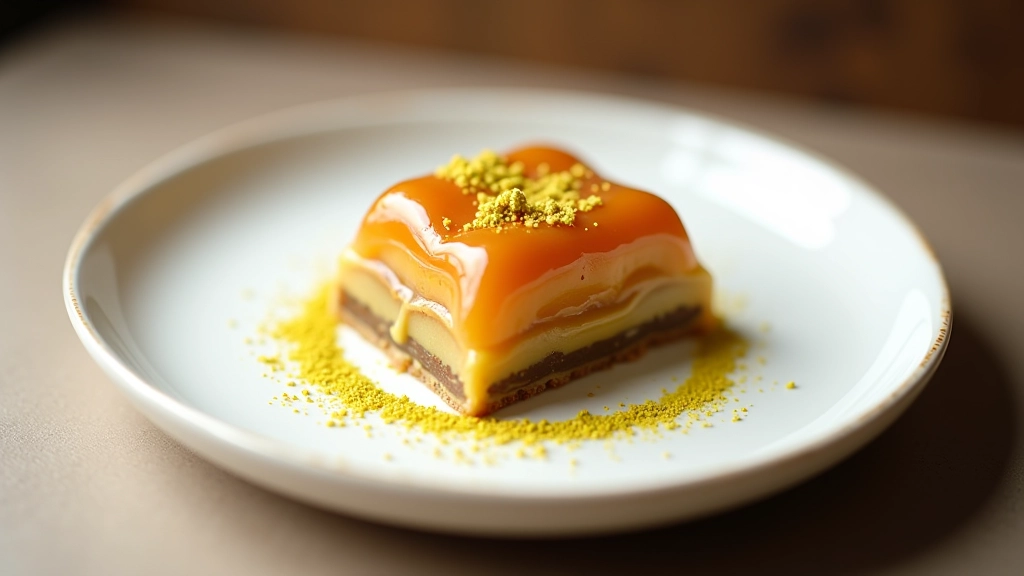
"You can respect where something comes from while also pushing it forward. That's not betrayal. That's evolution."
— Chef Mert Yılmaz, Galata Modern Patisserie
Here's what's happening in these shops: traditional recipes get deconstructed. Not destroyed — deconstructed. A chef takes künefe, understands its core (crispy shredded phyllo, melted cheese, syrup), and asks: what if we did this differently?
One shop in Beyoğlu created a künefe mousse — all the flavor, none of the traditional crispy exterior. Another's doing pistachio-rose baklava with cardamom ice cream. These aren't random. Each experiment is rooted in flavors that already exist in Turkish dessert tradition. They're just rearranged.
The technique matters too. Many of these patisseries still hand-stretch their phyllo. They're not cutting corners with pre-made sheets. They've just learned to treat those sheets like a chef would treat pasta dough — with precision and respect, then with creative vision on top.
This article is informational and reflects current trends in Istanbul's patisserie scene as of April 2026. Specific shops, techniques, and flavor profiles mentioned are based on documented practices. Restaurant hours, menus, and availability change seasonally — we recommend confirming details directly with establishments before visiting. Prices and availability are not included as this content focuses on culinary education rather than commercial information.
Gaziantep's pistachio traditions and Hatay's distinctive spice profiles aren't forgotten in these modern spaces. They're featured. One patisserie sources pistachios directly from Gaziantep producers, then uses them in ways that would make traditionalists pause — but only until they taste it. The quality is undeniable.
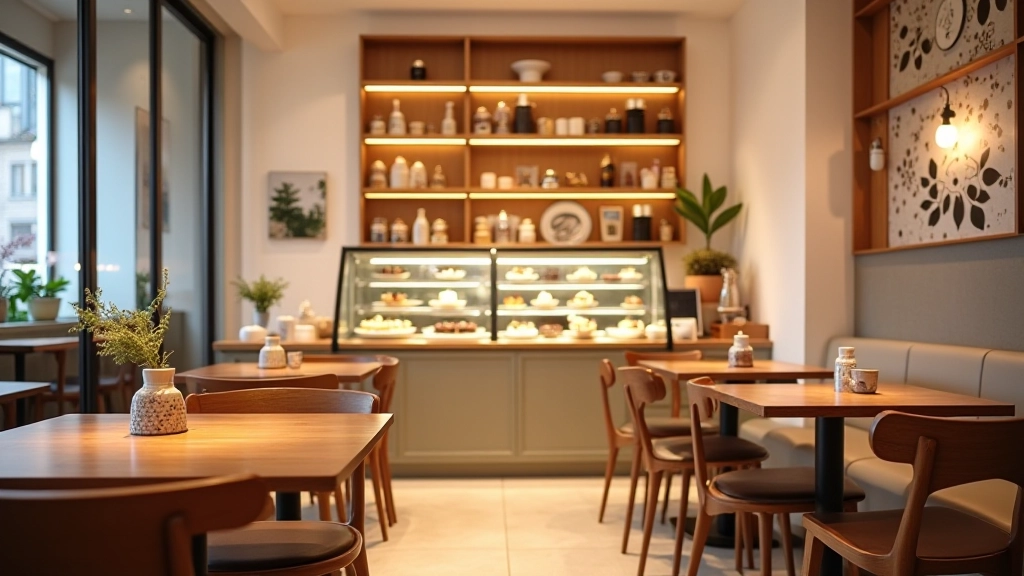
What's interesting is that modernization doesn't mean industrialization. These aren't chain operations. Most are small — 4 to 8 tables maximum. The head chef is usually present. You can watch the work happen. That's intentional. They want you to understand that this isn't assembly line production. It's craft.
The experience matters as much as the dessert. The setting's quiet. Service is unhurried. You're meant to sit, to savor, to understand why this takes time. That's the bridge between old and new — the respect for process remains exactly the same.
Managing moisture in phyllo dough to exact percentages. Not just "crispy" — measured, repeatable crispness that lasts for hours.
Steeping spices in syrups at controlled temperatures to extract flavor without bitterness. Traditional flavors with technical precision.
Creating rose-water spheres or pistachio foams that burst with flavor. Playful textures that reference traditional tastes.
Presenting desserts at specific temperatures on pre-chilled plates. Temperature management changes how flavors unfold on your palate.